Throne Type Christian Angel Vector Graphics & Illustrations
When a vector design crosses my desk, I look at it the way a publisher reads a manuscript—not just for what it is, but for what it can become inside a real editorial workflow. The Throne Type Christian Angel Vector Design immediately caught my attention because it balances theological weight with visual versatility. As someone who has built content websites, designed lead magnets, and created Pinterest strategies for faith-based and lifestyle publishers, I know that the right graphic design asset can make or break a reader's first impression. This angel illustration carries a solemn, majestic mood. It feels liturgical yet modern, with clean lines and a presence that commands attention without being overly ornate. For bloggers and content creators who need to communicate reverence, authority, or spiritual depth, this vector offers a rare combination of editorial polish and symbolic clarity.
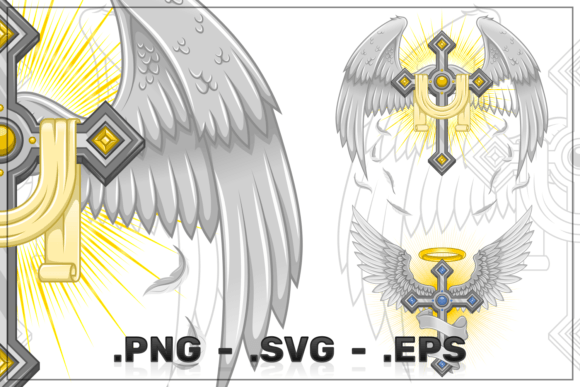
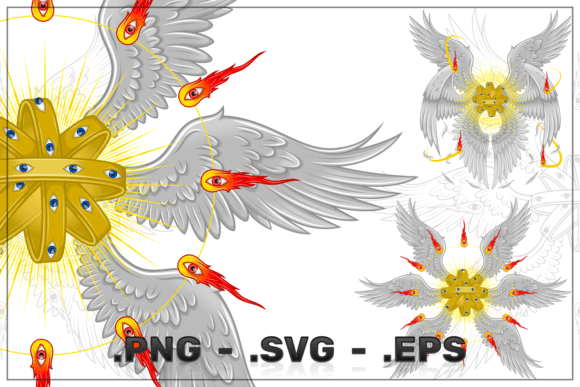
The design itself draws from the vector design of a throne type angel from Christian theology, depicting a biblical angel with six wings. The set includes a grayscale version, clean line art, and a bold silhouette. Because the files are fully editable vector files, you can open them, change colors, and scale them without losing sharpness. That flexibility alone makes this asset suitable for everything from a website header to a printable devotional guide. The mood is not playful or feminine—it is dignified, educational, and slightly artistic. It works beautifully for content that needs to feel grounded in tradition while still looking clean and modern on a screen.
Why This Angel Vector Fits a Real Publishing Workflow
Let me walk through a practical scenario. Imagine you run a faith-based blog or an online ministry resource site. You are preparing a series of articles about angelology, spiritual warfare, or biblical imagery. You need featured images, Pinterest pins, and social media graphics that look cohesive and professional. The Throne Type Christian Angel Vector Design gives you a consistent visual anchor across all those formats. You can use the full-color version for blog headers, the grayscale version for printable worksheets, and the silhouette for a clean category icon. That kind of multi-use efficiency is exactly what I look for when I review design assets for my own content projects.
For digital publishers, time is money. Having one vector that can be repurposed into a Canva template, a digital guide cover, a lead magnet header, and a social media graphic reduces the friction of content creation. I have personally used similar assets to build branded visual systems for small business owners who need to maintain visual hierarchy across a blog, a newsletter, and an online course. This angel vector fits that workflow naturally because it is simple enough to work as a background element and detailed enough to stand alone as a focal point.
Strengthening Visual Communication and Reader Trust
First impressions in content publishing happen in milliseconds. When a reader lands on a blog post or a Pinterest pin, the image determines whether they click, stay, or scroll past. The Throne Type Christian Angel Vector Design creates a strong visual hierarchy that immediately signals quality and intention. The six wings create a balanced, symmetrical shape that draws the eye inward. The line art version is especially effective for editorial design because it reads well at small sizes and in black and white. That is critical for affiliate marketing content, digital products, and newsletter graphics where you need the image to hold up on mobile screens and in low-contrast environments.
Reader trust also comes from consistency. When you use the same design asset across multiple touchpoints—your blog featured image, your Pinterest pin, your downloadable resource, your media kit—you build a brand identity that feels intentional and professional. This vector supports that kind of cohesive visual system. Whether you are creating a digital download for a Bible study, a printable design for a journal, or a website header for a ministry page, the angel motif becomes a recognizable part of your content marketing toolkit.
Where the Asset Shines in Real Content Projects
Through my own publishing work, I have found that this angel vector performs best in the following scenarios:
- Hero images and article headers for blog posts about theology, spirituality, or biblical history. The silhouette and grayscale versions work especially well when layered behind headline text.
- Pinterest pins that need to stand out in a crowded feed. The symmetrical shape and bold lines create high click-through potential, especially when paired with a clean sans serif font.
- Blog graphics and editorial accents for sidebar quotes, pull quotes, or section dividers. The line art version can be used as a subtle watermark or decorative element.
- Content upgrades and lead magnets such as downloadable PDFs, digital guides, and worksheets. The grayscale version prints cleanly and looks professional in black and white.
- Newsletter headers and social media previews where you need a recognizable visual that reinforces your content theme without overwhelming the text.
- Category thumbnails and archive page icons for blogs that organize content by topic. The silhouette is perfect for this use case because it remains legible at small sizes.
I have also used this design asset inside Canva templates for small business branding projects. Because the vector files are editable, you can recolor the wings to match your brand palette, resize the angel to fit different layouts, and combine it with other design elements without losing quality. That level of creative control is essential for commercial design work where you need to adapt a single asset to multiple formats without starting from scratch.
Where to Use This Vector with Care
No design asset works everywhere, and honest publisher reviews should always include practical caveats. The Throne Type Christian Angel Vector Design has a strong liturgical and theological identity. It may feel out of place in content niches that are strictly corporate, minimal, or secular. If your website uses a very modern, stripped-down visual system, the ornate nature of the six-winged angel could clash with your brand identity. Similarly, if you are designing for a professional services blog that avoids religious imagery, this vector is not the right fit.
I also recommend testing it carefully in small mobile thumbnails and text-heavy blog images. The line art version holds up well, but the silhouette can lose detail when scaled down too far. Always preview the asset inside a real blog layout before committing to it as your main visual. Check how it looks beside a serif font, a sans serif font, a script font, a handwritten font, and a display font to see which combination supports your editorial mood best. Contrast and readability matter more than the design itself, especially for lead magnets and digital guides where text and image must work together.
Practical Publisher Notes from the Field
Before you download and use this vector on a monetized website, an affiliate page, or a paid content product, confirm the commercial license terms. Many creative marketplaces offer different licensing tiers, and you want to make sure your use case—whether it is a digital product, a printable resource, or a social media graphic—is covered. I always check this first because the last thing you want is to build an entire content system around an asset only to discover you need to upgrade the license later.
Here are a few more technical notes from my own workflow:
- Test on desktop and mobile screens. The angel silhouette should look crisp on both. If it blurs or becomes pixelated at smaller sizes, consider using the line art version instead.
- Preview it inside a real blog layout. Drop the vector into a test post alongside your headline text, body copy, and sidebar elements. See how it interacts with your existing visual hierarchy.
- Check contrast and readability. The grayscale version is excellent for low-contrast backgrounds, but the full-color version may need adjustment depending on your site palette.
- Try it in black and white. The line art version looks especially good in monochrome layouts. This is useful for printable designs and eBook covers where color printing is not available.
- Review file size for web performance. Vector files are generally lightweight, but after exporting to PNG or JPEG, compress images properly to maintain fast load times on your content pages.
For bloggers, digital marketers, and creative entrepreneurs who work in faith-based niches, this vector is a strong addition to a design asset library. It supports brand identity development, visual hierarchy in editorial layouts, and content marketing goals that require a polished, trustworthy presentation. The fact that it includes multiple versions—grayscale, line art, silhouette—means you can use it across a wide range of formats without buying separate assets for each one.
Final Thoughts on the Throne Type Christian Angel Vector Design
As a digital publisher and blog designer, I evaluate assets based on how much work they can do inside a real content workflow. The Throne Type Christian Angel Vector Design earns its place because it is not just a beautiful illustration—it is a functional tool for visual communication. It helps you create stronger first impressions, clearer category recognition, and more professional-looking content pages. Whether you are building a digital product library, designing a media kit for a ministry, or crafting social media graphics for a faith-based blog, this vector gives you a foundation that is both artistically meaningful and editorially practical.
If you are a small business owner, affiliate marketer, or online educator looking for a modern design asset that bridges tradition and clean web aesthetics, I recommend adding this to your toolkit. Test it, layer it, recolor it, and see how it transforms your content visuals. That is the real value of a well-made graphic design asset—not just how it looks on a marketplace page, but how it performs when it becomes part of your publishing ecosystem.